
The Newsletter
One email a week. Free, and you can unsubscribe in a click.
Get the best of the week delivered to your inbox.
Weekly newsletter. Unsubscribe anytime.
Past issues · 25
 October 12, 2026Latest
Two fundamentals worth revisiting
Some things don't go out of date. This week we're going back to two pieces that hold up well: what resistant starch actually does inside your gut, and why a short walk after eating is one of the more quietly effective habits in the research.
 September 28, 2026
The two nutrition basics worth revisiting
Some questions keep coming up because they keep mattering. This week: what the difference between fiber types actually does inside your body, and why protein needs shift more than most people realize after 50. Two fundamentals, two different payoffs.
 September 21, 2026
Building the case for food is medicine
Two pieces this week that meet in the same place: the gap between knowing food-as-medicine works and having the infrastructure to make it stick. One traces how North Carolina organized a statewide coalition from the ground up. The other digs into the multi-state evidence report — where the cost savings show up, and why they show up most clearly in patients with the highest acuity.
 September 14, 2026
The FIM delivery platform hiding in plain sight
Child care settings touch millions of kids at exactly the right developmental window. Yet food-as-medicine programs mostly stop at the clinic door. A new report makes the case that this is a design gap, not a resource gap — and it's more specific than you'd expect.
 September 7, 2026
Food is medicine, except when it isn't funded
The gap between what Washington says about food-as-medicine and what it's actually funding just got harder to ignore. This week we looked at the SNAP-Ed defunding, a Rhode Island law that moves in the opposite direction, the avoidable-cost argument clinicians are taking to state officials, and the quiet contradiction at the heart of the MAHA agenda.
 August 31, 2026
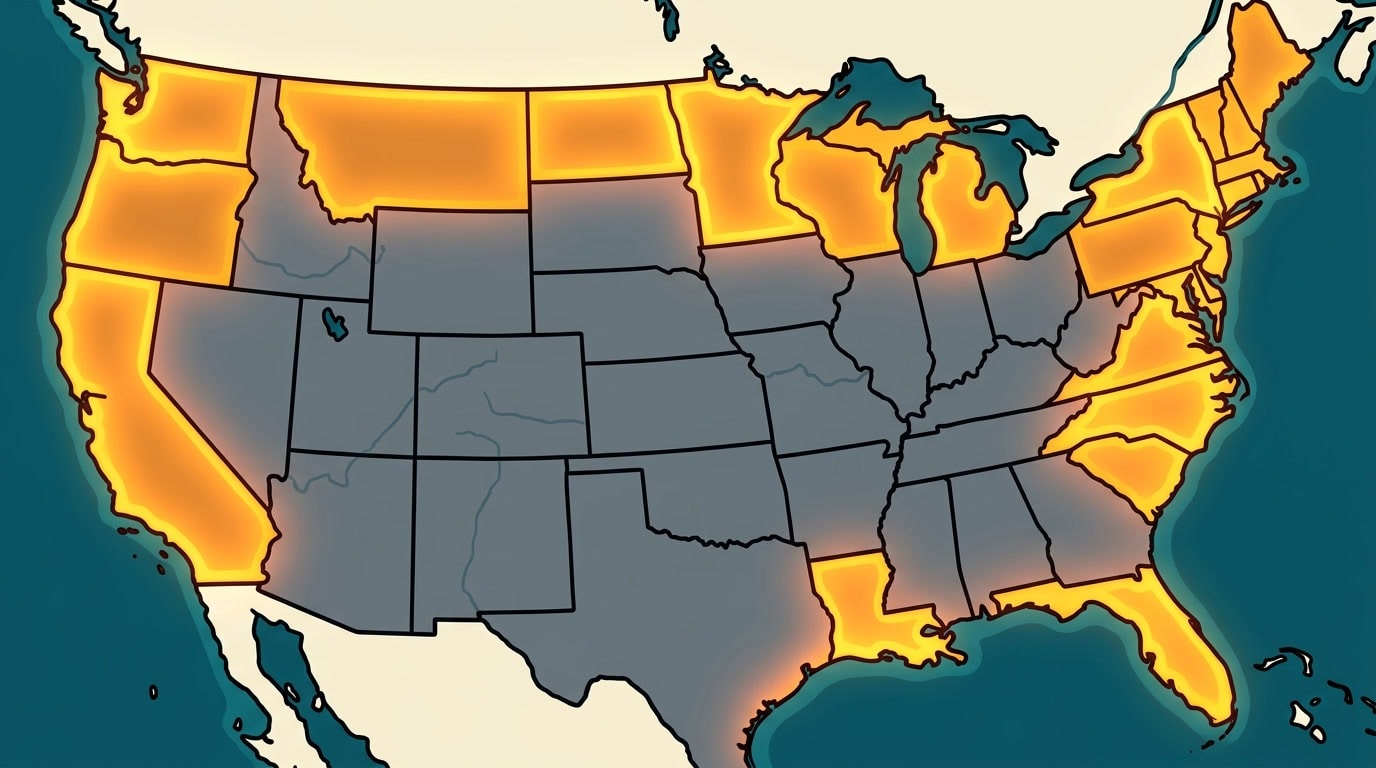
The gap is real. So is the help.
Most of the country has almost no Food Is Medicine legislation on the books — and in states that do have afterschool meal programs, one in sixteen eligible kids still isn't enrolled. This week we looked at both gaps: where the policy map is empty, and where the funding exists but the reach doesn't.
 August 24, 2026
Federal tailwind, October headwind
Two dispatches from the federal policy front this week. OIG Advisory Opinion 26-16 is the first favorable federal ruling on produce programs for FIM operators — a real opening, and one worth reading carefully. Meanwhile, the Senate Farm Bill stalled again on August 6, which means the October SNAP cost shift is still coming. These two stories belong together: one creates room to build, the other sets a clock.
 August 17, 2026
The gap between screening and eating
This week we're looking at the full arc of Food is Medicine: what a 161,000-household study found when food banks made it real, why most patients who screen positive for food insecurity never reach a produce prescription, how to model whether your FIM program pencils out against Medicaid capitation rates, and where four new state grants are trying to close the loop for good.
 August 10, 2026
Two habits that quietly move the needle
Not everything worth knowing is new. Some of the most useful nutrition research just clarifies fundamentals we've been getting slightly wrong for years — how much protein you actually need as you get older, and why a short walk after a meal does something a longer walk at a different time can't. Both pieces are worth a slow read.
 August 3, 2026
Summer EBT's quiet opening for FIM operators
Summer EBT expands the reach of food benefits, but expansion isn't the same as uptake. This week we look at why produce prescription operators — the people already doing the hard work of getting fresh food to families who need it — are the most credible candidates to close the gap between benefit and redemption.
 July 27, 2026
The school lunch program SNAP cuts could quietly kill
There's a federal food program reaching more children than most people realize — and it's tied to SNAP in ways that rarely make the news. This week we looked at the Community Eligibility Provision, what it actually does, and why the current budget fight in Congress could unravel it without most FIM advocates even noticing.
 July 20, 2026
FIM's blind spots — and the budget threat closing in
The research on pediatric Food Is Medicine programs reveals an evidence cliff at age two — most outcome tracking stops there, which means we don't know what these programs are actually doing for the children who need them longest. This week also looks at WIC's largely-overlooked role as a produce prescription program, and at what SNAP cuts mean for FIM infrastructure that's already operating. The thread across all three: knowing where the gaps are is the first step to not falling through them.
 July 13, 2026
Food Is Medicine is becoming budget math
This week on Nutritious.fit, the Food Is Medicine conversation shifted from vision to ledger. We looked at the state-level economic argument that's starting to show up in budget negotiations, what the new CHCS framework actually means for the Medicaid officers implementing FIM programs, and what the Massachusetts medically tailored meals study tells payers about what the evidence can — and can't — support right now.
 July 6, 2026
What the research says about aging well
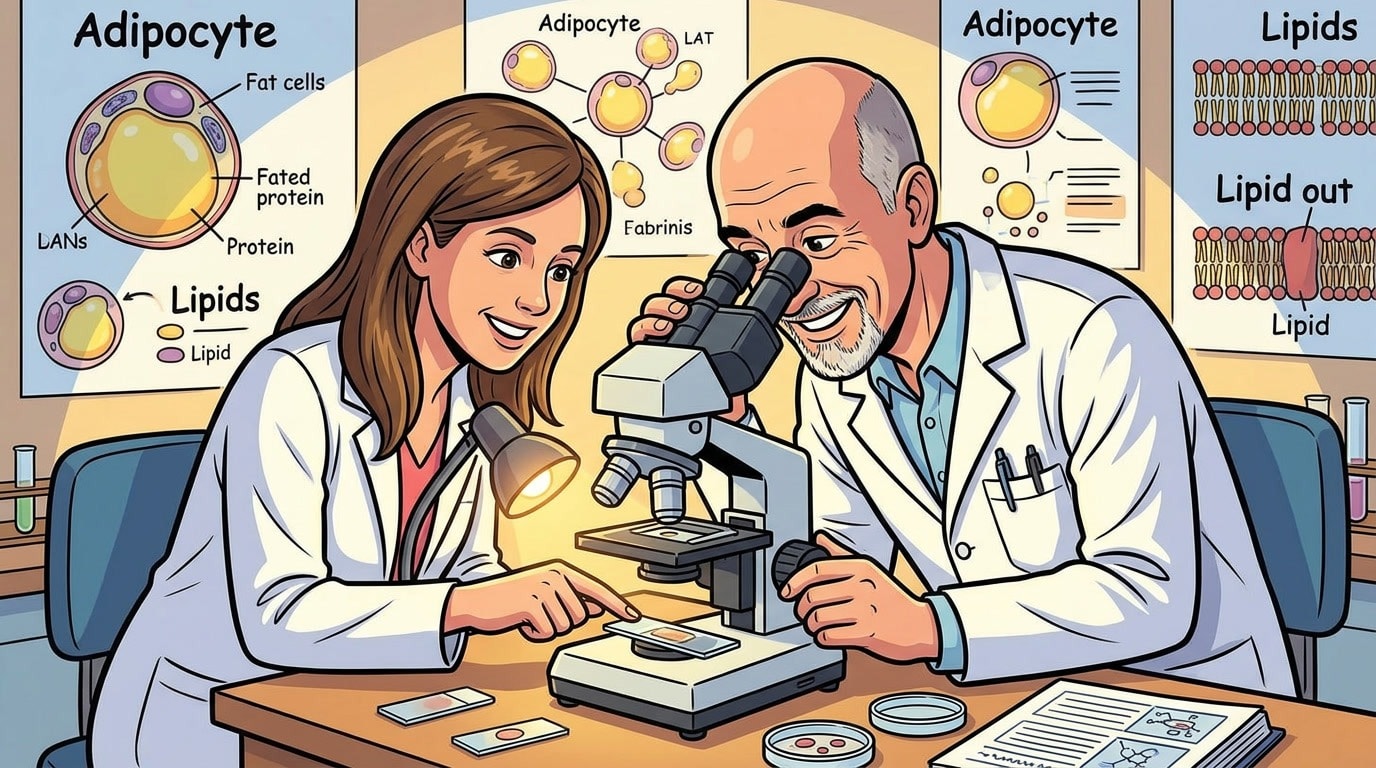
Your body changes after 40 in ways that aren't just about effort — there's biology involved, and researchers are finally mapping it clearly. This week covers five areas where the science just got more useful: why belly fat resists the old tactics, what vitamin C is quietly doing in the brain, which kombucha strains hold up under scrutiny, what to eat if you've been told your bones are thinning, and the workout type that lets older adults shed fat without losing muscle.
 June 29, 2026
What's actually draining you this summer
B12 deficiency gets mistaken for aging, magnesium drains faster in summer heat than most people know, and the antihistamine aisle is more navigable than it looks once you understand what the science says. Three things this issue that a lot of people feel but don't have a name for — and a specific answer for each. Once you know what you're actually dealing with, the fix is rarely as complicated as the confusion around it.
 June 22, 2026
The gut gets the last word
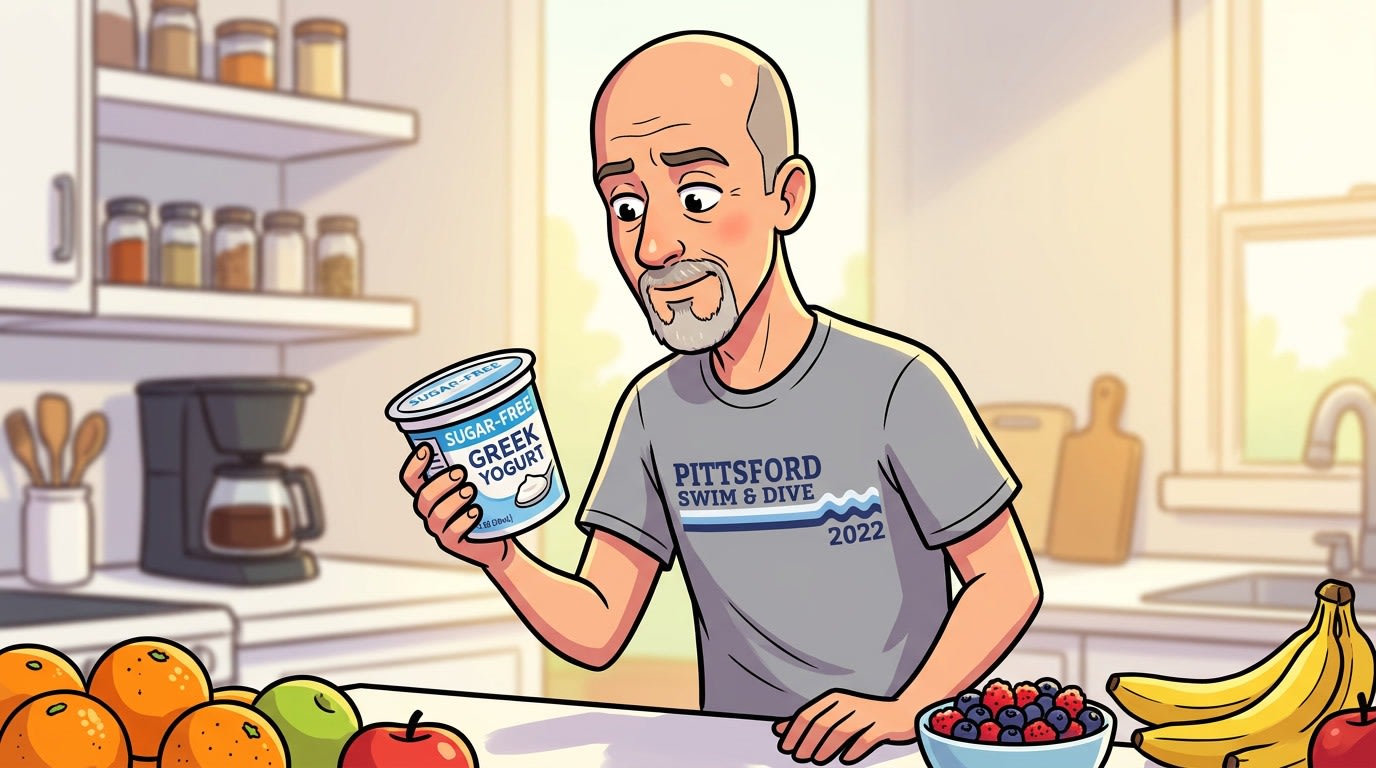
A lot of nutrition advice is louder than it is accurate. This week we looked at two findings that complicate the usual story — why ‘sugar-free’ isn’t the clean win the label suggests, and how one kind of starch feeds your gut bacteria rather than you. Small shifts in how to think about what’s on your plate.
 June 15, 2026
What's coming out of your tap
One story this week, and it's worth your attention. A large new study looked at nitrates in drinking water and found a link to dementia risk — we walked through what the researchers actually measured, what it means for your own tap, and the simple steps that put you back in control.
 June 8, 2026
Make the most of the market, and rethink the fries
Three pieces this week, all grounded in what's actually on your plate. How to use a haul of farmers market vegetables before any of it wilts, what the soluble versus insoluble fiber distinction really means for your gut, and a 40-year study that reframes how to think about potatoes. Dig into whichever speaks to you.
 June 1, 2026
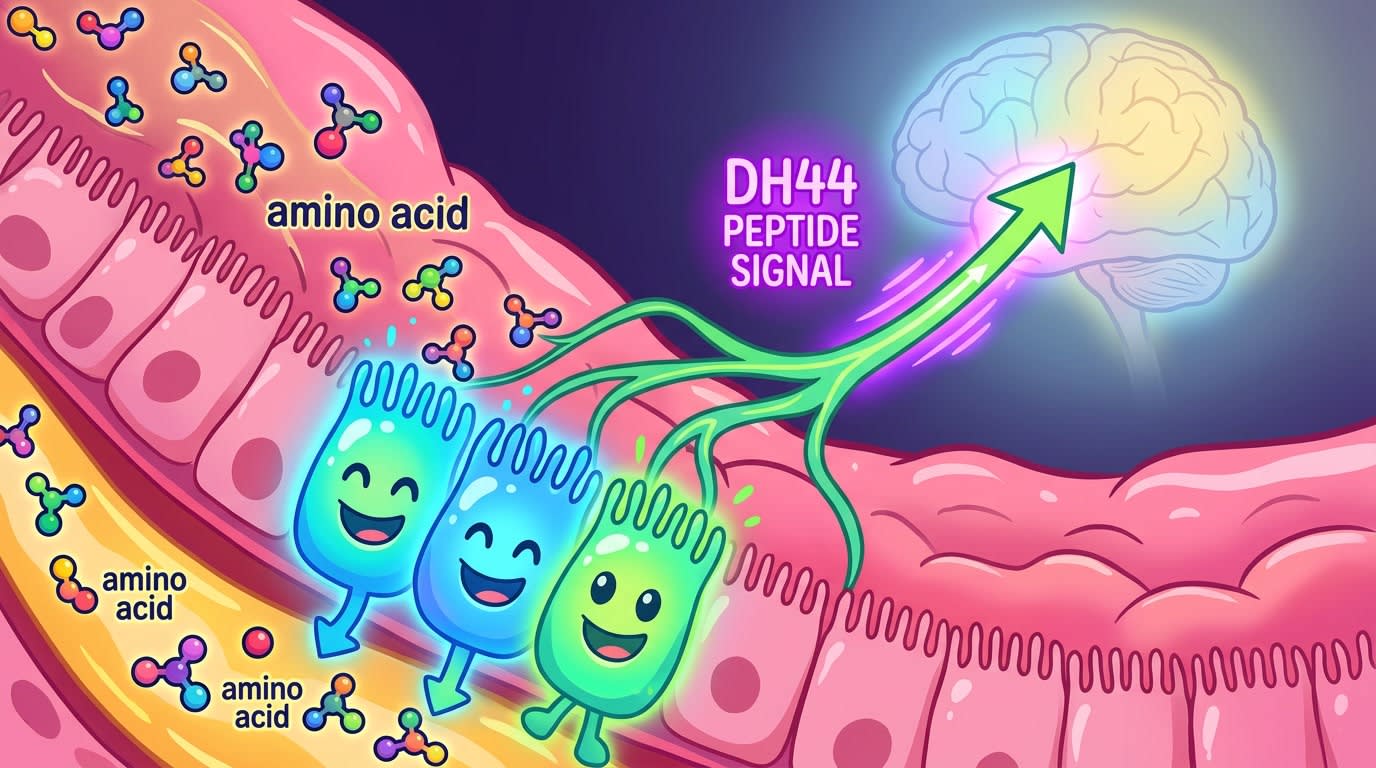
Your gut is running more of the show than you think
Three new studies this week, and they all keep circling back to the gut. One shows your gut signaling your brain to crave protein, another connects beans and lentils to real blood-pressure movement, and a new MIT finding explains how cysteine helps your intestinal lining repair itself. Each stands on its own — read whichever speaks to you.
 May 25, 2026
Your grill has a chemistry problem
There's a lot of fear-based food content out there, and grilling always seems to end up in the crosshairs. This week we looked at the actual PAH research — not to scare you off your backyard, but to give you something real to work with.
 May 18, 2026
The science of what you eat — and where to get it
This was a big week for food science — and for local food access. We covered new findings on seed oils, fructose, ultra-processed foods, and biological aging, plus a piece on how SNAP matching at the Brighton Farmers Market makes fresh produce more reachable than most people realize. A lot came out this week — dig into whatever catches your eye.
 May 11, 2026
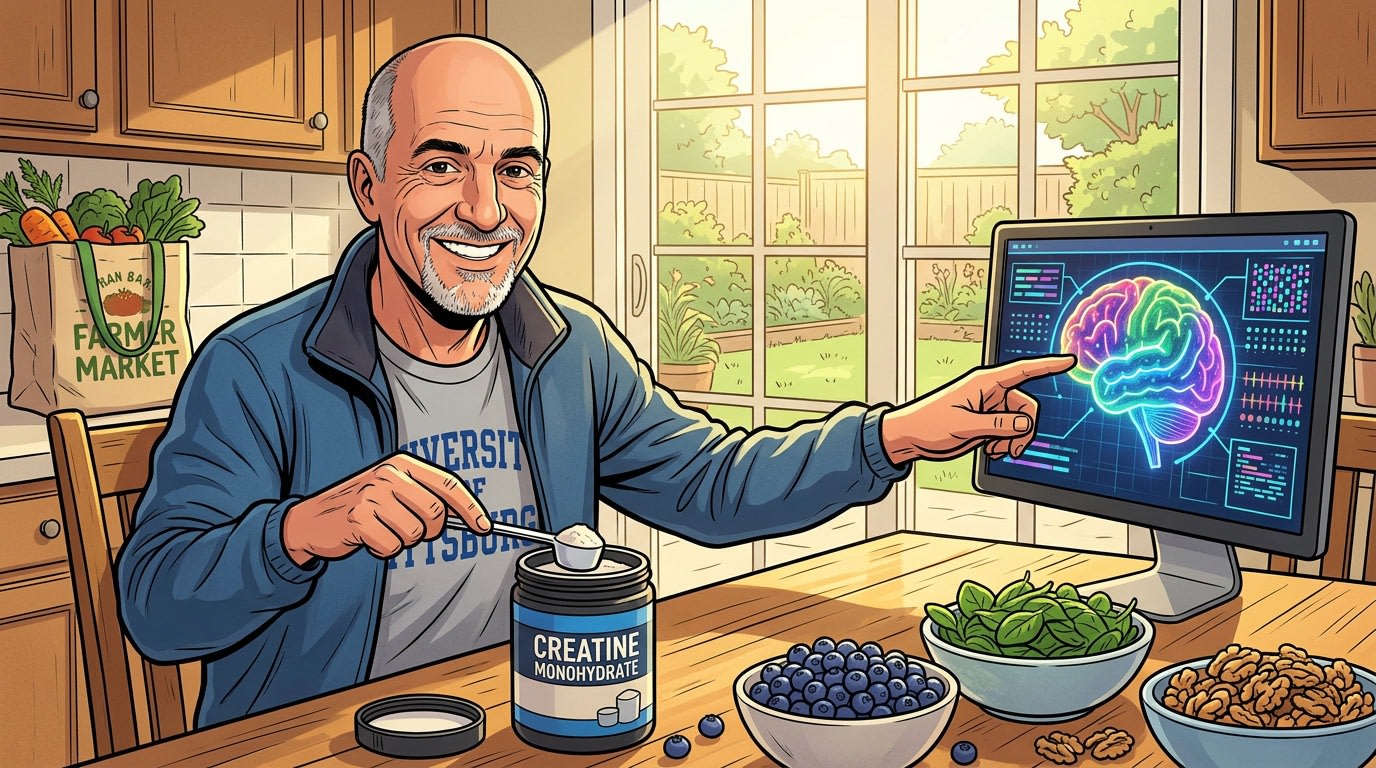
Your brain, your gut, and what you eat every morning
Five pieces this week, and they kept pulling toward the same territory: the connection between what you eat and how your brain works. Creatine and cognitive function. Eggs and Alzheimer's risk. Ozempic and eating behavior. Gut bacteria and depression. Coffee and your mood. Each one is its own story — together they're a pretty compelling case for paying attention to what you put in.
 May 4, 2026
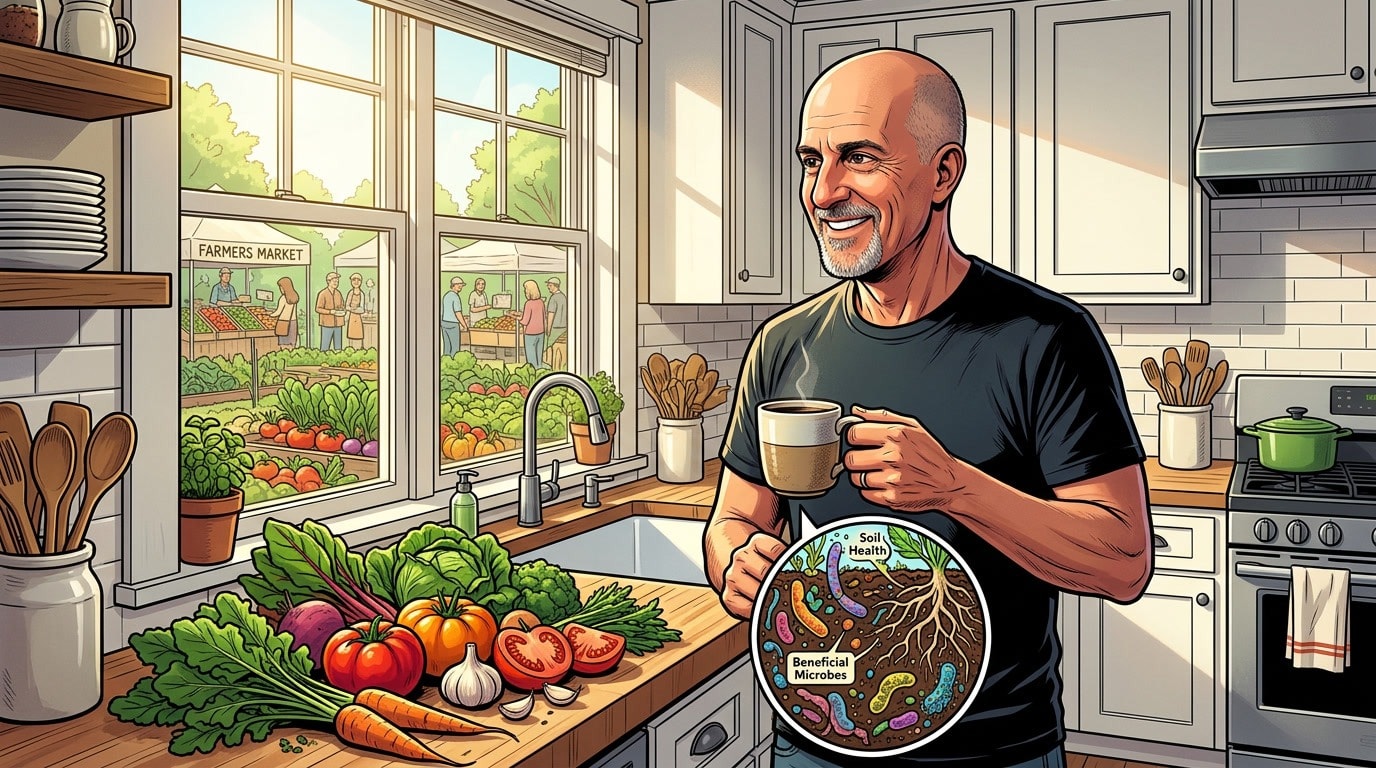
Coffee, stress eating, Vitamin D, Food is Medicine, and your gut microbiome
Five pieces this week on what you eat, when you eat it, and what the latest research actually says. Coffee and your gut. Stress plus late-night eating. The new Vitamin D findings. New York's Food is Medicine program. And what microbiome science means for your plate.
 April 27, 2026
Fish oil and your brain, why bread does what it does, and the astrocyte research nobody is talking about
A busy week on the research front. Fish oil's brain benefits turn out to depend heavily on who you are. Bread's effect on weight goes beyond calories. And there's a newly identified brain mechanism that controls hunger — one that most coverage has completely missed. All that plus breakfast timing, sparkling water, olive oil, and the weight loss differences between men and women that actually matter.
 April 20, 2026
Thiamine and your gut, a fat-burning hormone that does not kill your appetite, creatine for women over 50, and the 10-minute walk that moves the needle on blood sugar
A strong week of research landed on the site. A common B vitamin turns out to have a direct gut motility connection. A newly understood hormone burns fat without suppressing appetite. The creatine-for-women story keeps getting stronger. And the simplest habit for blood sugar management — a 10-minute walk after eating — has more data behind it than most people realize.