Osteopenia Is Silently Weakening Bones in 4 Out of 10 Adults — Here Is What to Eat
The Short Version
- Around 40% of adults worldwide have osteopenia, and most don't know it — the condition is entirely silent until a fracture or bone scan happens.
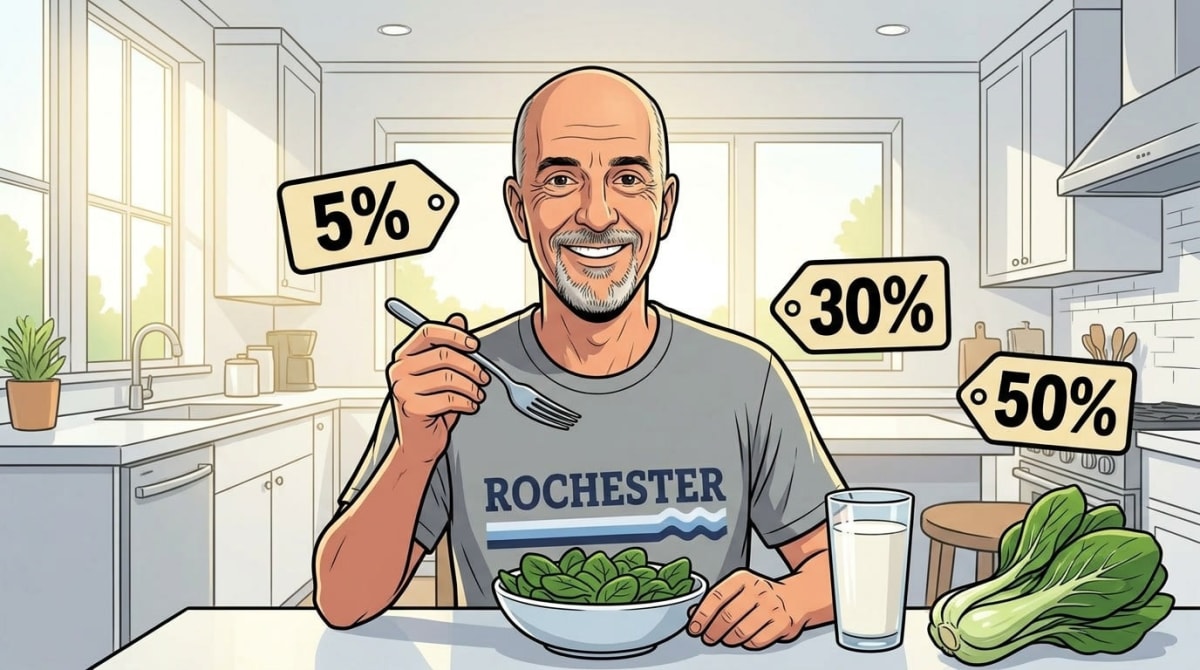
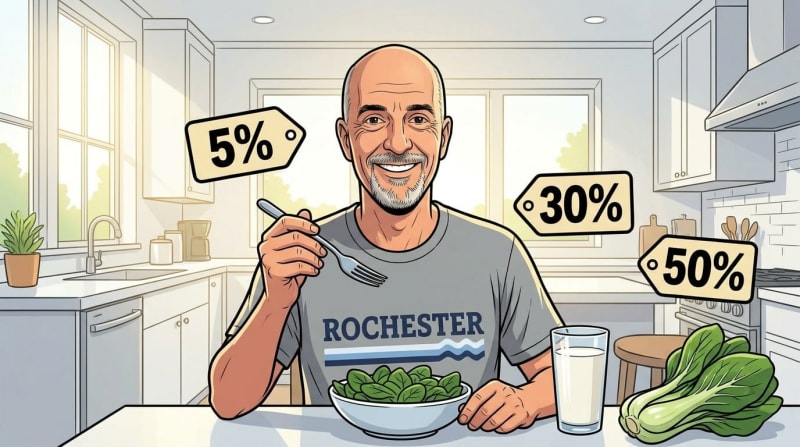
- Calcium bioavailability matters as much as quantity: spinach is only 5% absorbed due to oxalates, while bok choy reaches 50% — choosing the right leafy greens is one of the highest-leverage shifts you can make.
- The RDA for calcium is 1,000 mg daily for most adults and rises to 1,200 mg for women over 50 and men over 70 — a target most people don't consistently hit without intentional meal planning.
- One in two women over 50 will experience a fragility fracture, but progression from osteopenia to osteoporosis is not inevitable with early dietary and lifestyle intervention.
- Resistance training two sessions per week and consistent weight-bearing exercise are the physical complement to diet — swimming and cycling don't produce the gravitational load that drives bone formation.
Most people know spinach is good for them. What most people don't know is that spinach is one of the least effective calcium sources you can eat. The oxalates in spinach bind to calcium before your body can absorb it — according to Harvard's Nutrition Source, only about 5% of the calcium in spinach actually makes it into your bloodstream. Compare that to bok choy, where the absorption rate is closer to 50%.
This matters because around 40% of adults worldwide are already living with lower-than-normal bone mineral density — and most of them don't know it. The condition is called osteopenia, it produces no symptoms, and the foods you eat either support your bones or quietly deplete them, meal by meal, year by year. An osteopenia diet isn't complicated. But it requires knowing which foods actually do what you think they do.
Here is what the evidence says.
What Is Osteopenia — and Why Most People Never Know They Have It
What Is Osteopenia — and Why Most People Never Know They Have It
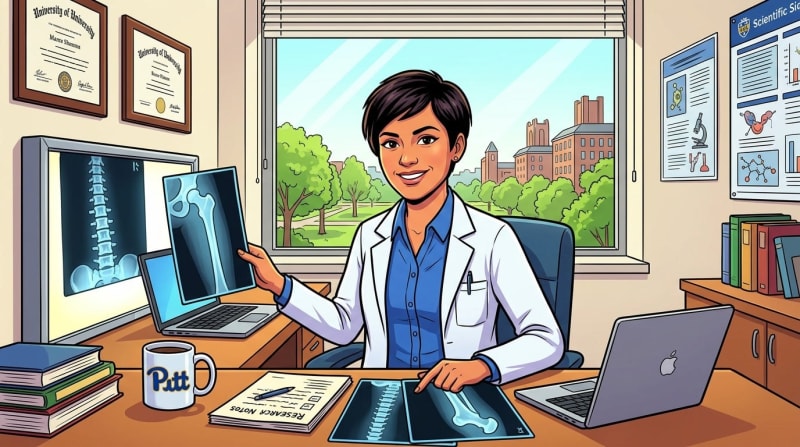
Osteopenia is not a disease in the traditional sense. It is a measurement: bone mineral density that has fallen below the normal range for your age, but not yet low enough to qualify as osteoporosis. Clinically, it is defined by a DXA (dual-energy X-ray absorptiometry) scan result called a T-score — osteopenia falls between -1.0 and -2.5. A score below -2.5 crosses into osteoporosis territory. The two conditions are on a spectrum, not separate diseases.
What makes it insidious is the silence. Bones don't ache when they thin. Harvard's Nutrition Source describes osteopenia as the first early stage of bone loss — and if it goes unaddressed, osteoporosis typically follows. Most people find out from a fracture, or from a routine bone scan ordered by a doctor who noticed a risk factor they hadn't considered.
A June 2026 overview by Hasmik Jasmine Samvelyan, a Senior Lecturer in Biomedical Science at Anglia Ruskin University, published via The Conversation, makes an important distinction: osteopenia is not simply a mild version of osteoporosis. It is a warning sign — and the point at which intervention is most effective.
That is a very different frame than most people walk away with from a bone scan result. One invites despair. The other invites action.
Who Gets Osteopenia — and When Bone Loss Actually Begins
Who Gets Osteopenia — and When Bone Loss Actually Begins
Bone mass peaks somewhere in your mid-20s to early 30s. After that, according to the same Anglia Ruskin overview, bone breakdown gradually outpaces bone formation — a normal biological process that becomes clinically significant when it accelerates.
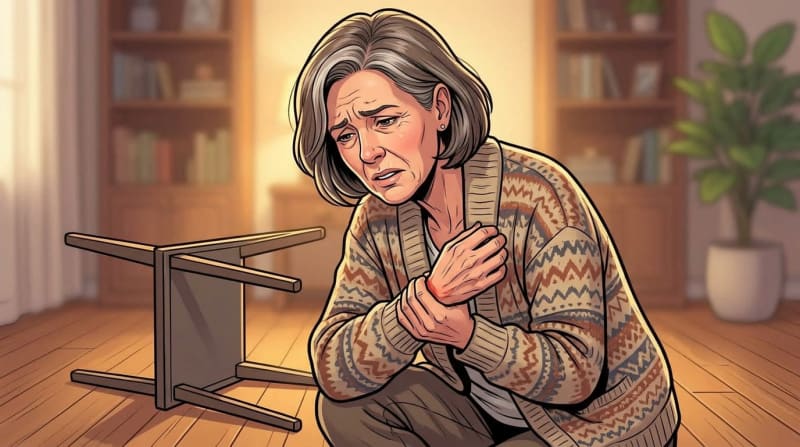
The risk is not evenly distributed. Postmenopausal women face the steepest decline because estrogen plays a direct role in slowing bone breakdown — when estrogen drops sharply after menopause, the skeleton loses a key protector. The research puts the stakes plainly: around one in two women over 50 will experience a fragility fracture in their lifetime. That is not a distant statistical abstraction. That is the odds for roughly half of the women reading this.
Other factors that compound bone loss include long-term use of corticosteroid medications, chronically low calcium or vitamin D intake, smoking, excessive alcohol use, physical inactivity, and family history of fractures.
The good news is that most of these are modifiable. Bone loss is real, but it is not a fixed destiny. What you eat and how you move are significant levers — and they are levers you hold.
Calcium: How Much You Actually Need and What Gets Absorbed
Calcium: How Much You Actually Need and What Gets Absorbed
Calcium is the mineral that forms the structural matrix of bone. Getting enough is necessary — but effective intake depends as much on which foods you choose as how much you eat.
Harvard's Nutrition Source outlines the recommended daily allowances clearly: 1,000 mg per day for women aged 19-50 and men 19-70; 1,200 mg for women 51 and older and men 71 and older. These numbers assume food-based calcium spread throughout the day — the body absorbs calcium more efficiently in smaller doses rather than one large dose.
But here is where most bone health plans go wrong: assuming that more of a food automatically means more calcium absorbed. Bioavailability — how much your body can actually use — varies dramatically by source, and Harvard makes this concrete with specific numbers.
Spinach at 5% bioavailability surprises almost everyone. The problem is oxalates — naturally occurring compounds in spinach that bind calcium and carry it out of the body before it can be absorbed. Spinach is nutritious in many ways, but it should not be your primary calcium source if bone health is a priority.
The high-performers worth building meals around:
- Bok choy, kale, broccoli, and pak choi — low in oxalates, high absorption rate
- Dairy (milk, yogurt, cheese) — solid absorption, and most people are already eating it
- Fortified plant milks and fortified tofu — bioavailability comparable to dairy
- Canned sardines and salmon with bones — an often-overlooked source with the added benefit of protein and omega-3s
Meeting 1,000-1,200 mg per day from food requires attention. A cup of yogurt delivers roughly 415 mg. A glass of milk adds about 300 mg. A serving of bok choy contributes around 160 mg at 50% absorption — approximately 80 mg net. Diversity across sources throughout the day is more effective than relying on a single food.
Vitamin D, Protein, and the Other Bone Essentials Often Overlooked
Vitamin D, Protein, and the Other Bone Essentials Often Overlooked
Calcium rarely works alone. Several other nutrients are essential for your skeleton to use calcium effectively — and most receive far less attention in the public conversation about bone health.
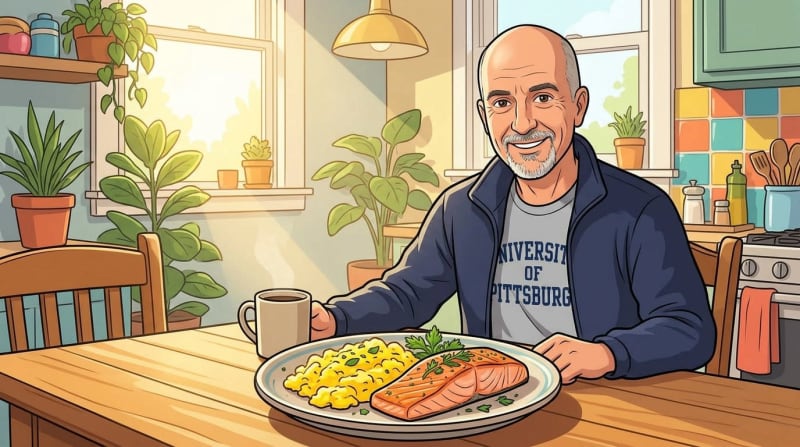
Vitamin D is the most critical partner. It enables calcium absorption in the small intestine; without adequate vitamin D, much of the calcium you consume passes through without being absorbed. Deficiency is widespread among adults who live in northern climates, spend most of their time indoors, or have limited dietary sources. Fatty fish (salmon, tuna, mackerel), egg yolks, and fortified dairy and plant milks are the main food sources — but many adults, particularly over 50, benefit from supplementation, especially through fall and winter months.
Protein supports the bone matrix itself. Bone is approximately one-third collagen, which is protein. Evidence increasingly suggests that adults over 50 benefit from protein intakes above minimum guidelines — not just for muscle preservation, but for bone structural integrity. Eggs, fish, legumes, dairy, and lean meat all contribute meaningfully.
Vitamin K2 plays a quieter role: it helps direct calcium toward bones and teeth rather than allowing it to deposit in arterial walls. Fermented foods like natto and certain aged cheeses are the richest sources. Magnesium is essential for activating vitamin D — without enough magnesium, vitamin D cannot function properly regardless of intake level. Leafy greens, nuts, seeds, and whole grains supply it.
None of these are exotic or expensive. They are nutrients already present in a varied, whole-food diet. The question is whether that diet is consistent enough across years, not just weeks. What you eat on a regular Tuesday matters more than what you eat during a wellness month.
Exercise That Actually Builds Bone — and What Counts
Exercise That Actually Builds Bone — and What Counts
The skeleton responds to mechanical load — stress placed on it by body weight and muscle contraction. When bones experience that stress repeatedly, they respond by laying down new bone tissue. This is the biological mechanism that makes exercise as important as diet for bone health.
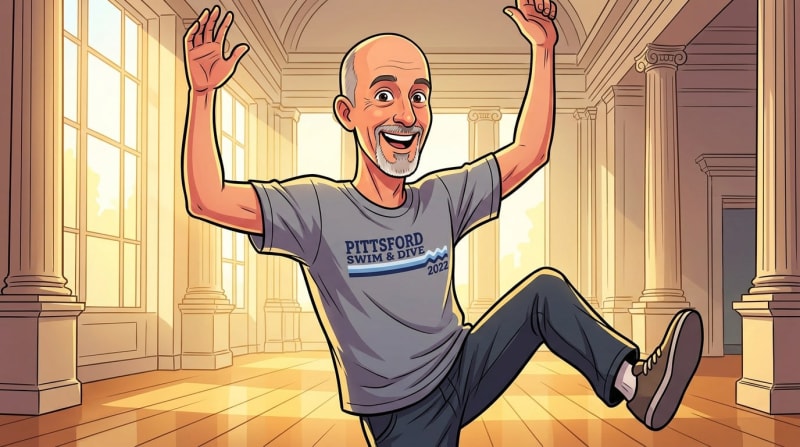
Weight-bearing exercise works because your skeleton has to support your own body weight against gravity. Walking, hiking, jogging, dancing, stair climbing, and court sports all qualify. Consistency matters more than intensity: regular daily movement over years does more for bone density than occasional high-intensity bursts.
Resistance training adds a different kind of load — muscle pulling directly on bone through contraction. Research supports two sessions per week as a meaningful target for bone benefit. Bodyweight exercises, resistance bands, dumbbells, or machines all count. The format matters less than the habit.
Swimming and cycling are excellent for cardiovascular health and joint preservation — and worth doing for those reasons. But they are not weight-bearing in the relevant sense: water supports your body in swimming, and a saddle does the work in cycling. Neither produces the gravitational load that drives bone formation. This is not a reason to stop swimming or cycling. It is a reason to make sure weight-bearing movement is also in your week, not instead of it.
What would your week look like if you built bone-building into it the way you build in cardiovascular fitness? That question is worth sitting with.
Can an Osteopenia Diet Reverse Bone Loss? What the Evidence Says
Can an Osteopenia Diet Reverse Bone Loss? What the Evidence Says
The short answer: progression is not inevitable. The 2026 Anglia Ruskin research overview is direct on this point — early detection combined with targeted lifestyle changes can slow bone loss and, in some cases, partially reverse it.
"Partially reverse" deserves some honesty. Bone that has been significantly lost cannot be fully rebuilt through diet and exercise alone. What changes is the rate of loss — which can be dramatically reduced — and, in the early stages of osteopenia, some remineralization is possible. Prescription medications (antiresorptive drugs like bisphosphonates) exist and are effective, but they are typically reserved for patients at high fracture risk. For most people with an osteopenia diagnosis, lifestyle changes come first.
The deeper insight from this research is a timeline question. Bone health is cumulative. What you eat and how you move in your 40s and 50s shapes the skeleton you will live in at 70 and 80. The T-score that appears on a bone scan report is not a verdict — it is a snapshot of decades of habits, arriving at a moment when those habits can still change.
"Osteopenia should not be viewed merely as a mild or early form of osteoporosis but rather as a warning sign and point of intervention."
— Hasmik Jasmine Samvelyan, Senior Lecturer in Biomedical Science, Anglia Ruskin University, via The Conversation, June 2026
The calcium in your diet right now is either reaching your bones or it isn't. The movement in your week is either placing load on your skeleton or it isn't. That is not a shaming observation — it is an empowering one. What you are already doing well is the foundation. The question is what small, consistent additions might build on it.
Content ID: mCEuPruWyyxoS4UvV5BC3Zqb
See an error? Tell us.
Keep Reading
What North Carolina's New Food Is Medicine Coalition Reveals About Building State Coalitions from Scratch
What the New FIMC Multi-State Evidence Report Reveals About FIM Cost Savings — and Why High-Acuity Patients Are the Key
Child Care Is the Largest Untapped FIM Delivery Platform — A New Report Shows What's Missing
Comments
Share with the Community