
OIG Advisory Opinion 26-16: What the First Favorable Federal Ruling on Produce Programs Means for FIM Operators
The Short Version
- OIG Advisory Opinion 26-16, issued July 14, 2026, is the first federal regulatory clearance for a FQHC produce prescription program — the legal uncertainty that stalled FIM launches now has an answer.
- Three design features drove the favorable ruling: clinical integration (health assessments and counseling), targeting patients with diagnosed conditions, and food-use safeguards restricting what vouchers can buy.
- The opinion does not create a blanket safe harbor — it binds only the specific requestor, and programs with materially different structures should get independent legal review before scaling.
- OIG's primary concern is overutilization risk; programs that can demonstrate their design does not drive inappropriate federal healthcare costs are operating on the right side of the three-factor framework.
- The full ruling is four pages and publicly available on the OIG website — it is worth reading before your next program design review.
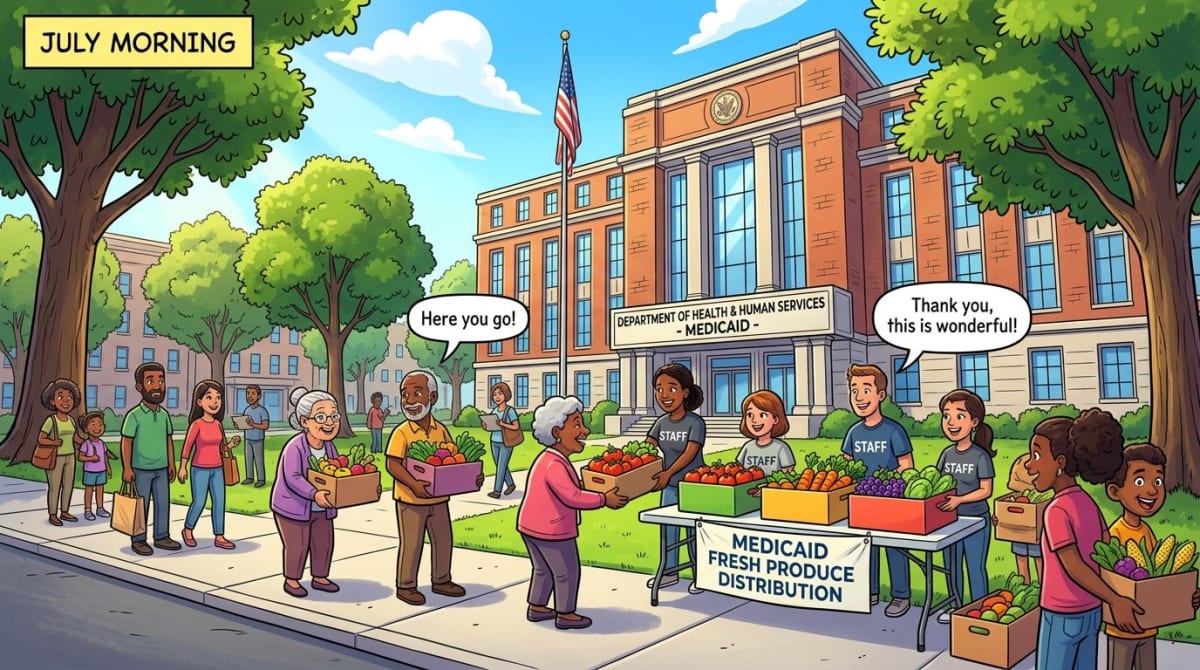
For the past several years, a lot of well-designed Food Is Medicine programs have stalled on legal uncertainty rather than logistics. Does giving free produce to Medicaid patients violate the anti-kickback statute? Is a produce box a prohibited beneficiary inducement? On July 14, 2026, the Office of Inspector General issued Advisory Opinion 26-16 — the first OIG food is medicine advisory opinion compliance ruling on this class of program — and gave operators the clearest guidance they've had yet.
The Legal Risk That Has Been Slowing FIM Program Launches

The Legal Risk That Has Been Slowing FIM Program Launches
The anti-kickback statute prohibits offering anything of value to induce referrals for services covered by federal healthcare programs. The beneficiary inducement prohibition bars providers from giving Medicare or Medicaid patients free or discounted items to influence their choice of provider. For FIM operators, both statutes raised a practical problem: a free box of vegetables has dollar value, patients receiving it have federal insurance, and the program exists precisely because those patients are engaged in care.
Whether that constitutes a prohibited inducement was genuinely unclear, and the uncertainty had real consequences. Programs that could not get a clean legal opinion delayed launch or never scaled. The most legally uncertain arrangements were those with no clinical wrap: produce distributed without any connection to a provider relationship, vouchers sent to a broad patient population, or programs with no condition-specificity and no safeguards on what the vouchers could buy.
What OIG Advisory Opinion 26-16 Actually Said

What OIG Advisory Opinion 26-16 Actually Said
Advisory Opinion 26-16, issued July 14, 2026, examined a specific program: a federally qualified health center providing produce boxes or vouchers to patients diagnosed with certain health conditions. The program was not a food handout appended to a clinical visit. Participants underwent three health assessments — initial, midpoint, and final — alongside nutrition counseling and behavioral modification counseling. Vouchers were restricted to healthy foods only.
OIG's three-factor analysis turned on three questions: Is the program likely to result in overutilization or increased costs to federal healthcare programs? Is the benefit limited in duration and value? Are there safeguards that keep the benefit clinically directed? The produce program satisfied all three. OIG advised it would not impose sanctions under these specific facts, while acknowledging the arrangement could technically implicate both statutes.
"The OIG opinion recognizes the value of FIM as part of clinical care and the need for common sense approaches to scrutinizing FIM arrangements under federal anti-kickback and beneficiary inducements prohibitions."
— Rachel J. Landauer, Health Law Lab, July 15, 2026
What This Means for Your Program — and What Is Still Open

What This Means for Your Program — and What Is Still Open
Three design features drove the favorable ruling. Clinical integration — the health assessments and counseling — established that the produce benefit is part of care delivery, not a marketing tactic. Targeting patients with diagnosed conditions narrowed the population in ways that reduce overutilization risk. Food-use safeguards kept the voucher benefit clinically directed rather than open-ended.
The limits of the opinion matter as much as what it said. Advisory opinions bind only the specific requestor; OIG is not creating a blanket safe harbor for every FIM produce program. Programs with materially different structures — broader patient populations, higher benefit values, no clinical integration, no food-use restrictions — should not treat Opinion 26-16 as automatic compliance clearance.
The practical step is straightforward: map your program design against the three-factor framework OIG applied. If your program has the clinical wrap, the condition-specificity, and the food-use safeguards, you're operating closer to the approved model. If it differs materially, legal counsel should evaluate where you stand before scaling.
The full ruling is publicly available on the OIG website. It's four pages.
Content ID: Xu3okfYyKfwf5iaPVZvQzeaq
See an error? Tell us.
Keep Reading

What North Carolina's New Food Is Medicine Coalition Reveals About Building State Coalitions from Scratch
What the New FIMC Multi-State Evidence Report Reveals About FIM Cost Savings — and Why High-Acuity Patients Are the Key

Child Care Is the Largest Untapped FIM Delivery Platform — A New Report Shows What's Missing
Comments
Share with the Community