
Senate Farm Bill Stalls August 6 — The October SNAP Cost Shift Is Still Coming: What FIM State Officers Must Plan For Now
The Short Version
- The October 2026 SNAP administrative cost shift — approximately $17 billion transferred to states over five years — takes effect regardless of what happens to the Farm Bill.
- Even the Senate farm bill that failed on August 6 would not have delayed the October cost shift, confirming that no near-term legislative protection is coming for state FIM budgets.
- SNAP participation dropped 11 percent between July 2025 and April 2026, meaning produce prescription programs are already serving a shrinking eligible population under greater financial pressure.
- States with SNAP payment error rates at or above 10 percent face a second escalation beginning in fiscal year 2031: 20 percent of SNAP benefit costs.
- GusNIP reauthorization — the federal funding mechanism for produce prescription programs — is not guaranteed in the next Farm Bill draft, making fall 2026 the active advocacy window for FIM state officers.
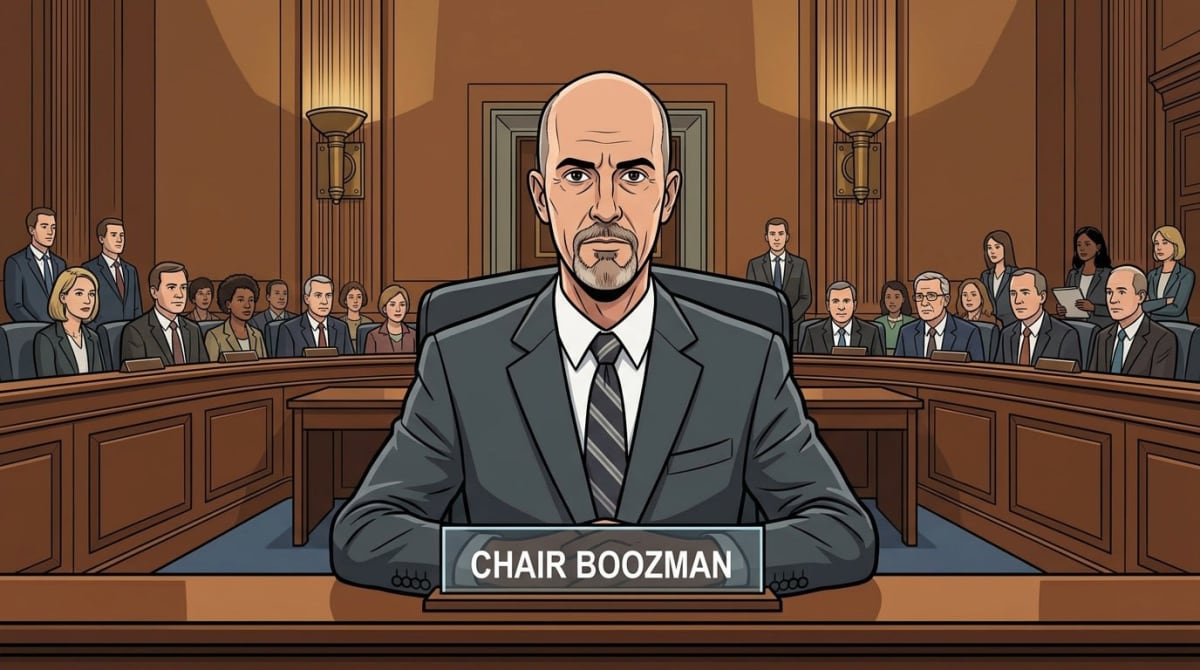
On August 6, the Senate Agriculture Committee did not advance Chair Boozman's Farm Bill. FRAC called the outcome an opportunity — "Failure to Advance Flawed Farm Bill Provides Opportunity to Reverse SNAP Cuts," their press release read. For Food Is Medicine (FIM) state officers running produce prescription programs, the immediate question isn't what the stall means politically. It's what it means for October.
What Happened on August 6 — and Why the Stall Doesn't Protect State FIM Budgets
What Happened on August 6 — and Why the Stall Doesn't Protect State FIM Budgets
The bill died in committee without a vote. FRAC, which had called the draft "flawed," welcomed the outcome. The American Heart Association made the cost of inaction concrete: SNAP participation has already dropped by more than 4.5 million people — an 11 percent decline — between July 2025 and April 2026, driven by H.R. 1. The Senate farm bill, AHA argued, would have worsened that trajectory.
But FRAC's August 3 analysis made the planning reality explicit: even the draft that failed would not have delayed the SNAP administrative cost shift taking effect in October 2026. The stall isn't protection. It's the absence of a bill that would have layered additional harm on top of what is already coming.
The SNAP Cost Shift Taking Effect in October — and What It Means for FIM Program Budgets
The SNAP Cost Shift Taking Effect in October — and What It Means for FIM Program Budgets
Starting this October, states absorb approximately $17 billion in SNAP administrative costs over five years — costs previously covered by the federal government. That transfer is already law under H.R. 1. No Farm Bill scenario in play would have changed it.
States with SNAP payment error rates at or above 10 percent face a compounding burden: beginning in fiscal year 2031, they pay 20 percent of SNAP benefit costs. FRAC's August 3 analysis confirmed both figures and the absence of any legislative path to delay either.
For FIM state officers, the timing is specific. Fall appropriations cycles are opening now in most states. A state health agency absorbing new SNAP administrative overhead is making real budget tradeoffs — and produce prescription programs are among the discretionary line items competing for what remains after those obligations land.
The Advocacy Window That Opened August 6 — and How FIM State Officers Can Use It
The Advocacy Window That Opened August 6 — and How FIM State Officers Can Use It
FRAC's framing is accurate: the Farm Bill failure opens a window. Negotiations will resume, and the version that eventually moves will be shaped by what advocates put in front of legislators this fall.
GusNIP — the Gus Schumacher Nutrition Incentive Program — is the primary federal funding mechanism for produce prescription and nutrition incentive programs across the country. Its reauthorization in the next Farm Bill draft is not guaranteed. State programs that document enrollment, Medicaid participant overlap, and measurable health outcomes now have something concrete to bring to those conversations.
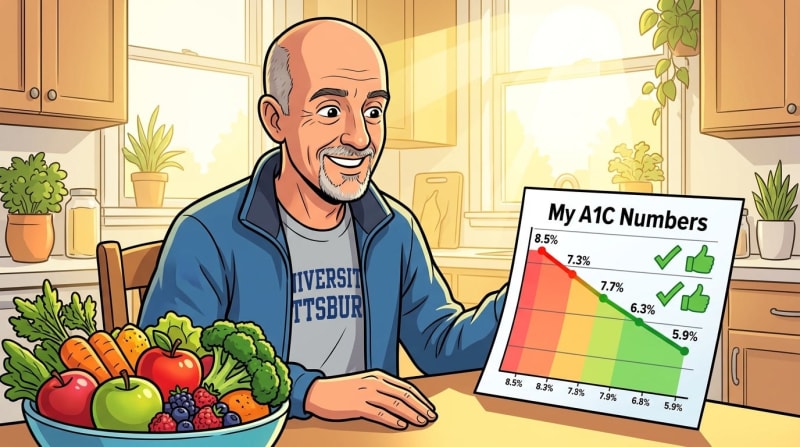
The steps are specific: document produce prescription program reach before fall budget conversations lock in — a program serving 800 Medicaid enrollees with measurable A1C improvement argues its case better than a general nutrition funding appeal. Engage state nutrition council liaisons this month before appropriations commitments close. Connect with FRAC and AHA advocacy networks already coordinating Farm Bill asks, where state FIM program data supports the case for GusNIP reauthorization directly.
GusNIP reauthorization is the specific ask. Fall 2026 is the window. The enrollment numbers that make that case live in your program data right now.
Content ID: uy45avNt2W1xe3EmoCNzLGtT
See an error? Tell us.
Keep Reading

What North Carolina's New Food Is Medicine Coalition Reveals About Building State Coalitions from Scratch
What the New FIMC Multi-State Evidence Report Reveals About FIM Cost Savings — and Why High-Acuity Patients Are the Key
Child Care Is the Largest Untapped FIM Delivery Platform — A New Report Shows What's Missing
Comments
Share with the Community