

SNAP-Ed Is Being Defunded: What the H.R. 1 Nutrition Education Cut Means for Food Is Medicine Programs
The Short Version
- H.R. 1 eliminates SNAP-Ed — the federally funded nutrition education program that operated in the same low-income communities Food Is Medicine programs serve — removing infrastructure, not just a budget line.
- More than 5 million people have lost SNAP access since H.R. 1 took effect, directly shrinking the enrollment pipeline FIM produce prescription and medically tailored meal programs rely on.
- Food-at-home prices are 2.7% higher than a year ago and the lowest-earning 20% of U.S. residents face a 3.8% income reduction under H.R. 1 — FIM clients are absorbing both at once.
- Small grocers — the backbone of many FIM voucher redemption networks — could see sales decline 6.7% within six months of SNAP losses, threatening the retailer infrastructure FIM depends on.
- The functions SNAP-Ed covered can be rebuilt through MCO contracts, HRSN waivers, and CHW integration, but FIM programs need to start building outcome documentation now before funders require it.
The federal program that sent community educators into low-income neighborhoods to teach cooking skills — SNAP-Ed — is being defunded. H.R. 1, signed in 2026, eliminates it. For Food Is Medicine programs already navigating a reduced enrollment pool, the SNAP-Ed defunding changes the operating environment in concrete, plannable ways.
What H.R. 1 Is Taking Away From Nutrition Education
What H.R. 1 Is Taking Away From Nutrition Education
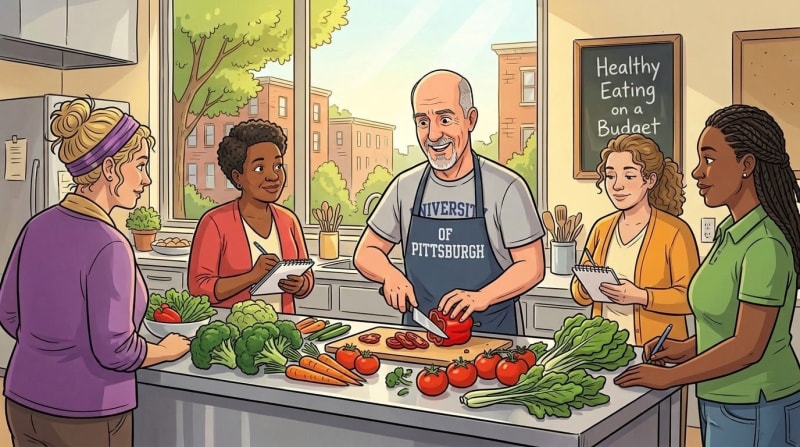
SNAP-Ed was the federally funded education arm of the Supplemental Nutrition Assistance Program. It paid for community nutritionists, cooking classes, food skills workshops, and behavior-change programming in the same low-income communities that Food Is Medicine produce prescriptions and medically tailored meals are designed to serve. FRAC describes it as the program's "primary and evidence-based nutrition education."
H.R. 1 eliminates that funding. The Make America Healthy Again framing that accompanied the legislation positioned it as a pro-food, pro-health agenda. The SNAP-Ed cut moves in the opposite direction — the infrastructure that helped low-income households build food skills, not just receive food, is gone from the federal budget.
The Double Hit: Fewer SNAP Participants, Less Education Infrastructure
The Double Hit: Fewer SNAP Participants, Less Education Infrastructure
FIM programs face two compounding reductions from H.R. 1, not one.
The first is enrollment. More than 5 million people have lost SNAP access since H.R. 1's eligibility changes took effect. Many FIM produce prescription and food-as-medicine programs identify and enroll participants through SNAP pipelines. A smaller SNAP enrollment base means a smaller referral pool — at the precise moment food costs are rising. Food-at-home prices were 2.7% higher in June 2026 than a year earlier, deepening food insecurity even as benefits contract.
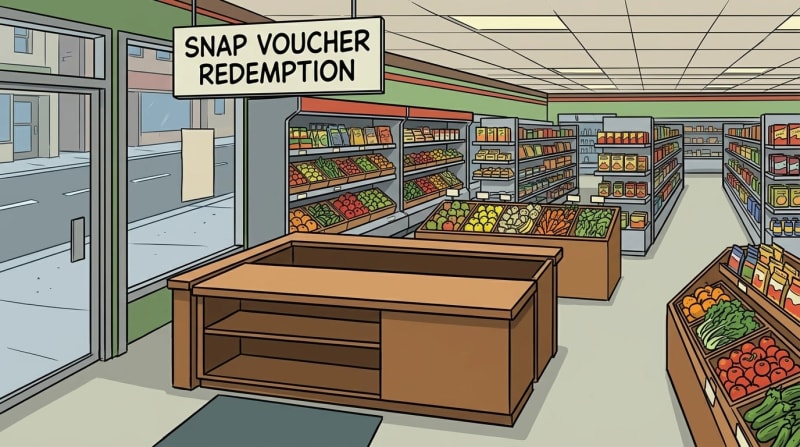
The second hit is at the retailer level. Food-restriction demonstrations remain in effect in 18 states despite a federal court ruling that invalidated USDA approvals in five states — creating compliance uncertainty for grocers that often serve as FIM voucher redemption sites. FRAC projects small grocers could see sales decline by as much as 6.7% within six months of SNAP losses. The lowest-earning 20% of U.S. residents face roughly a 3.8% income reduction under H.R. 1's combined changes — the same households FIM programs exist to reach.
What FIM State Officers Need to Plan For Now

What FIM State Officers Need to Plan For Now
The nutrition education function SNAP-Ed provided does not disappear because the funding did. The need remains. The question for FIM program officers is where the infrastructure comes from now.
Several channels can carry pieces of it. MCO contracts can include nutrition education as a covered health-related social need. HRSN waiver components under Medicaid are built to fund community-based food and nutrition interventions. Community health workers embedded in clinical teams can deliver food skills programming directly to high-risk patients. None of these replicate SNAP-Ed's breadth, but they are real, fundable paths that FIM state officers are already working with.
What FIM programs should build now is the outcome documentation that funders and payers will require as SNAP-Ed's measurement infrastructure disappears. SNAP-Ed tracked nutrition literacy gains, dietary behavior change, and food resource management skills across millions of participants. FIM programs that can demonstrate they produce those same outcomes — not just food access, but measurable behavior change — will be positioned to make the case to MCOs, state Medicaid offices, and federal agencies. The MAHA political moment still favors the argument that food is healthcare. The work is making sure the data is there to support it.
FRAC's H.R. 1 tracking page is updated as implementation continues and is worth bookmarking for state-level program planning.
Content ID: T35gP35QYxhDdpkdR78MaBfK
See an error? Tell us.
Keep Reading

What North Carolina's New Food Is Medicine Coalition Reveals About Building State Coalitions from Scratch
What the New FIMC Multi-State Evidence Report Reveals About FIM Cost Savings — and Why High-Acuity Patients Are the Key
Child Care Is the Largest Untapped FIM Delivery Platform — A New Report Shows What's Missing
Comments
Share with the Community