
The Bridge to Nowhere in FIM Referrals: Why Most Screened Patients Never Reach a Produce Prescription Program
The Short Version
- Only 24.5% of patients who flag a social need and request help actually recall receiving a resource guide — three quarters of the referral chain breaks before reaching a produce prescription.
- For families specifically, more than 61% of referrals fail to connect patients to food resources at all.
- CMS rescinded Biden-era HRSN navigation policies in March 2025, removing infrastructure FIM programs depended on to close the referral gap.
- Massachusetts SNAP caseworkers field 20,000 calls a day with only 645 staff — the navigation layer is overwhelmed before patients can enroll.
- Passive resource guides fail most of the time; warm handoffs and community health workers are the structural fix the data supports.
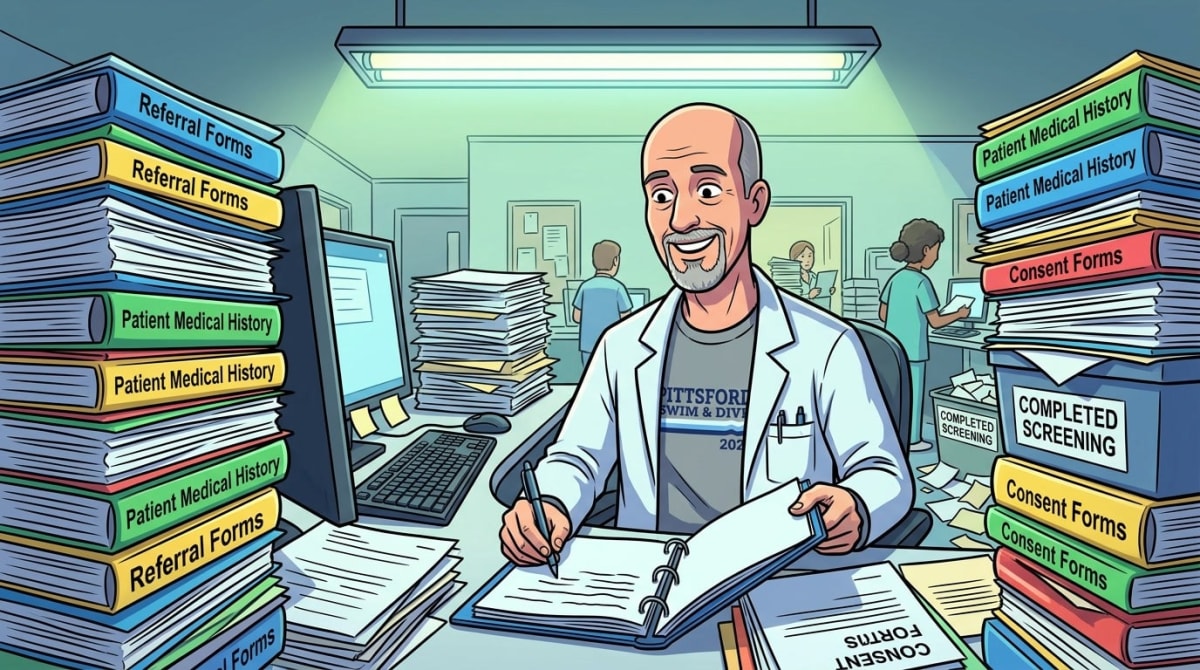
HRSN screening is working. Across clinical settings, roughly 27 percent of patients who complete a health-related social needs screen report at least one unmet social need — Children's HealthWatch confirmed this in a June 2026 report on HRSN infrastructure. The screening tools are identifying real need. The problem is what happens next: three out of four of those patients never recall receiving a resource guide. The referral chain breaks before anyone reaches a produce prescription program.
For Food is Medicine operators, this is the operational gap that matters most right now.
What the Data Shows: Only 1 in 4 Patients Who Flag Food Need Gets Connected
What the Data Shows: Only 1 in 4 Patients Who Flag Food Need Gets Connected
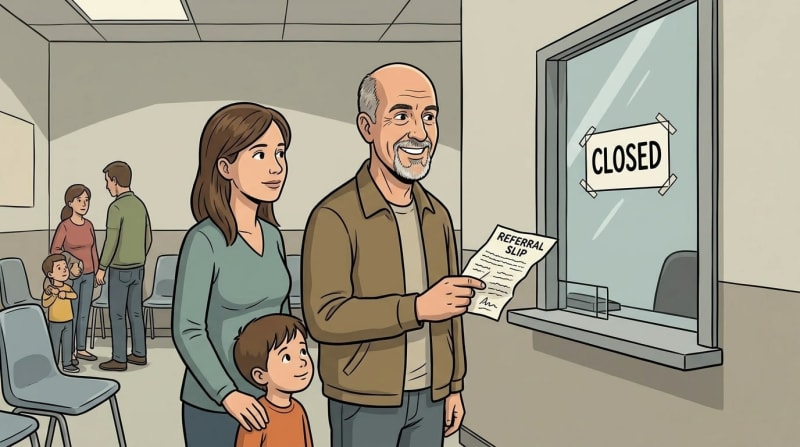
The numbers from Children's HealthWatch's June 2026 report are stark. Of patients screened who identified food-related social need and requested assistance — 74.8 percent did request it — only 24.5 percent recalled receiving resource guides. That is a 75 percent drop-off between stated need and delivered help.
For families specifically, the failure rate is worse. More than 61 percent of referrals made for families did not result in a successful resource connection. The programs are at the end of a referral chain that is losing patients at every link.
Part of the failure happens before the referral ever gets made. Privacy concerns, past experiences of discrimination in healthcare, fear of child protective services involvement, and general mistrust of institutions all reduce how fully patients disclose their food situation on a screener. A patient who doesn't disclose won't generate a referral in the first place.
Why the Gap Is Growing: Policy Rollbacks and Workforce Strain

Why the Gap Is Growing: Policy Rollbacks and Workforce Strain
The referral pipeline was already fragile. In March 2025, CMS rescinded Biden-era policies that had supported Medicaid coverage for HRSN services — including the navigation support that FIM programs used to connect screened patients to food interventions. That infrastructure is gone.
The workforce gap compounds it. In Massachusetts, DTA staff field an average of 20,000 calls a day with only 645 SNAP caseworkers — a system that already needs more than 200 additional workers to function. The people who are supposed to answer the phone when a patient calls to enroll in a food program are overwhelmed before the call connects. The result: patients who got through the screen, requested help, and received a resource guide still can't get through to a program.
Projected Medicaid and SNAP funding cuts will reduce this capacity further. More screening, less connection.
What FIM Operators Should Do About It
What FIM Operators Should Do About It
The first step is measurement. Most FIM programs track screen completion rates. Fewer track referral connection rates. If you don't know what percentage of your screened patients who requested help actually enrolled in a produce prescription or food delivery program, you are measuring the wrong thing. Screen completion tells you about intake. Connection rate tells you about outcomes.
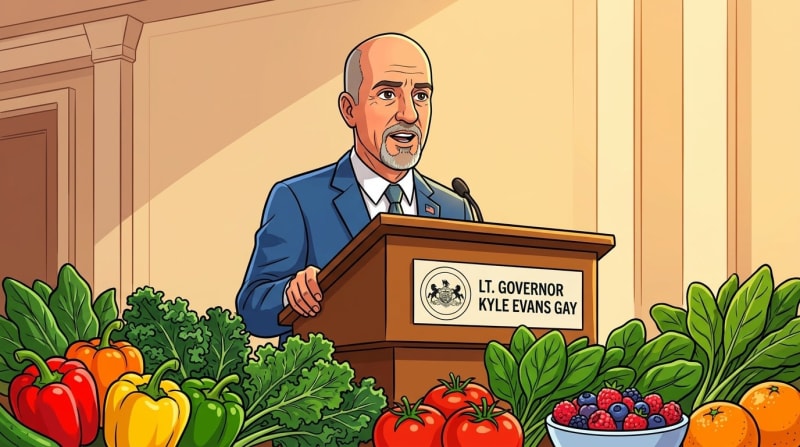
Passive referrals — handing a patient a resource guide or a phone number — are failing most of the time. The evidence points toward community health workers and warm handoffs: a staff member who calls the patient, stays on the line through enrollment, or walks them to the next step. As Delaware Lt. Governor Kyle Evans Gay put it in a piece published by HealthBegins, food should not be an optional social service; it should be an integral part of the continuum of care.
Programs that integrate FIM directly into clinical workflow — where the produce prescription is filled at the point of care, not referred out to a separate enrollment process — have the best structural chance of closing this gap. The bridge to nowhere isn't an accident. It is the result of treating food as a referral destination rather than a clinical tool. Measure your connection rate, replace passive guides with active navigation, and bring the produce prescription into the room where the patient already is.
Content ID: zbxk2f0vu0SQGP3PmEVEys0s
See an error? Tell us.
Keep Reading
What North Carolina's New Food Is Medicine Coalition Reveals About Building State Coalitions from Scratch
What the New FIMC Multi-State Evidence Report Reveals About FIM Cost Savings — and Why High-Acuity Patients Are the Key
Child Care Is the Largest Untapped FIM Delivery Platform — A New Report Shows What's Missing
Comments
Share with the Community