
The Southeast, Midwest, and Mountain States Have Almost No Food Is Medicine Legislation — And Free Help Is on the Table
The Short Version
- The Southeast, Midwest, and Mountain regions have almost no statewide Food Is Medicine legislation — a gap CHLPI's own June 2026 press release names explicitly.
- Harvard Law's Center for Health Law and Policy Innovation is offering one year of free legal, coalition-building, and policy support to four new state FIM organizations starting December 2026.
- Rhode Island just signed FIM task force legislation authorizing a Section 1115 Medicaid waiver — a replicable two-step template that states in gap regions can now pursue with legal support.
- CHLPI's previous partners included Illinois, Iowa, Louisiana, and Texas — four politically diverse states — showing the program works across very different political environments.
- Organizations that missed the August 3 full-year application deadline can still access CHLPI's two-month targeted assistance option for time-sensitive FIM policy questions.
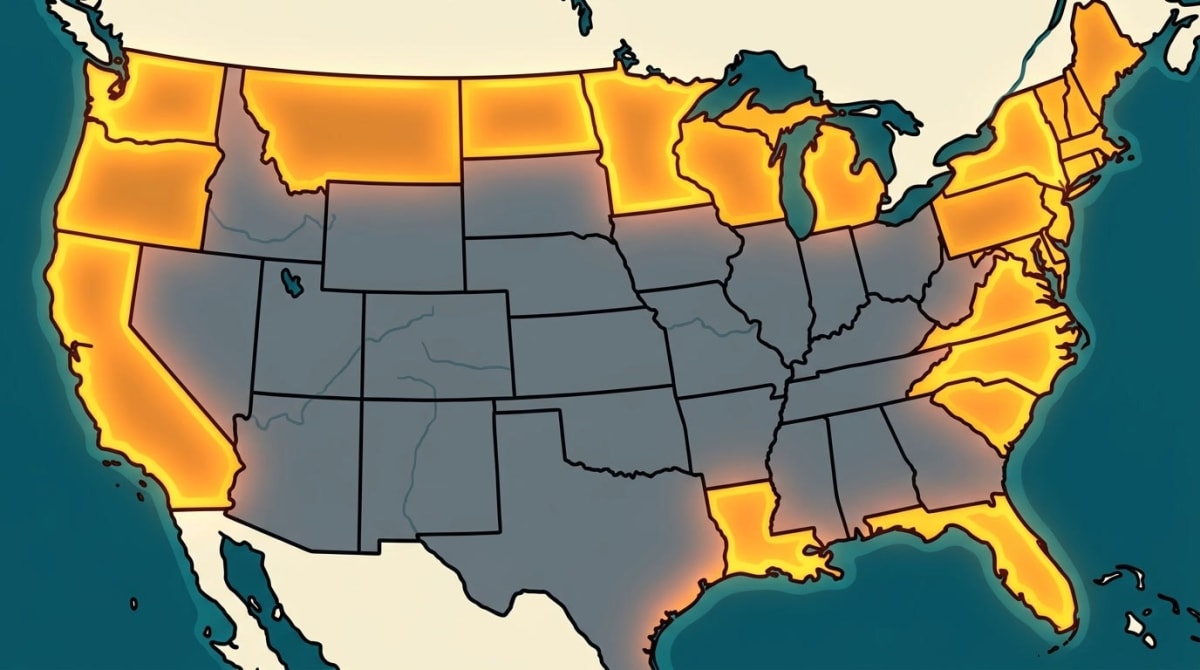
A new call for proposals from Harvard Law's Center for Health Law and Policy Innovation maps a gap that food policy advocates across the country already sense: Food Is Medicine legislation has moved quickly on the coasts and in a handful of northern states, while the Southeast, Midwest, and Mountain regions have been largely bypassed. CHLPI is now offering one year of free legal and policy support to four new state or community organizations — explicitly targeting states where food is medicine state legislation gaps are widest — with a December 2026 start.
Where Food Is Medicine Policy Exists — and Where It Does Not
Where Food Is Medicine Policy Exists — and Where It Does Not
CHLPI named the gap directly in its June 2026 press release, noting that the Southeast, Midwest, and Mountain regions have significant shortfalls in statewide FIM policy compared to states that have moved ahead on Medicaid waivers, legislation, and managed care contracting.
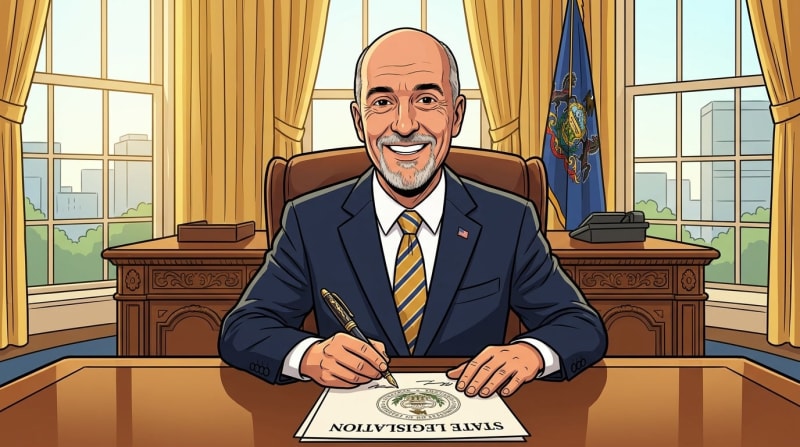
The contrast is concrete. In August 2026, Rhode Island Governor Dan McKee signed legislation directing the state's health agency to create a Food As Medicine task force and authorizing it to seek a Section 1115 Medicaid waiver — the two building blocks most states need to embed food-based interventions into Medicaid reimbursement. North Carolina has restarted the nation's first comprehensive FIM Medicaid demonstration.
For organizations in states without either of these, the gap is structural. Without state legislation or Medicaid authorization, food-as-medicine programs can operate locally but cannot reach Medicaid scale. The policy infrastructure has to come first.
What CHLPI's Free Pro Bono TA Program Offers

What CHLPI's Free Pro Bono TA Program Offers
CHLPI, with philanthropic support from national foundations, offers twelve months of intensive pro bono assistance covering the full stack of state-level policy advocacy: legal research, policy analysis, coalition facilitation, written policy resources, and communications materials. This is not a grant — it is working legal and policy support delivered directly to partner organizations.
The program has a track record. CHLPI worked with partners in Illinois, Iowa, Louisiana, and Texas through 2025 and 2026 — four states representing a wide range of political environments, each of which engaged state-level FIM policy with CHLPI's direct support.
Eligibility is deliberately broad. Any community organization, nonprofit, coalition, or local, state, or tribal government entity interested in state-level FIM policy can apply. CHLPI states explicitly that it is prioritizing the Southeast, Midwest, and Mountain regions — the organizations that would not typically have access to this kind of legal and policy support.
How State FIM Officers in Underserved Regions Can Use This Moment

How State FIM Officers in Underserved Regions Can Use This Moment
The primary application deadline for the full-year partnership was August 3. But CHLPI also offers a two-month targeted assistance option for organizations with time-sensitive FIM policy questions — a separate pathway that does not require the same formal application process.
For organizations in the Southeast, Midwest, and Mountain states, the CHLPI program is one of the few structured pathways to build the policy foundation before approaching a state legislature or Medicaid agency. The four previous partner states — Illinois, Iowa, Louisiana, and Texas — show that food is medicine coalition building works across a wide range of political environments. The common thread was having advocacy infrastructure in place before the policy push began.
Content ID: CMxqCiU7H73lEJrCAW7lfRhY
See an error? Tell us.
Keep Reading

What North Carolina's New Food Is Medicine Coalition Reveals About Building State Coalitions from Scratch
What the New FIMC Multi-State Evidence Report Reveals About FIM Cost Savings — and Why High-Acuity Patients Are the Key
Child Care Is the Largest Untapped FIM Delivery Platform — A New Report Shows What's Missing
Comments
Share with the Community